
Introduction
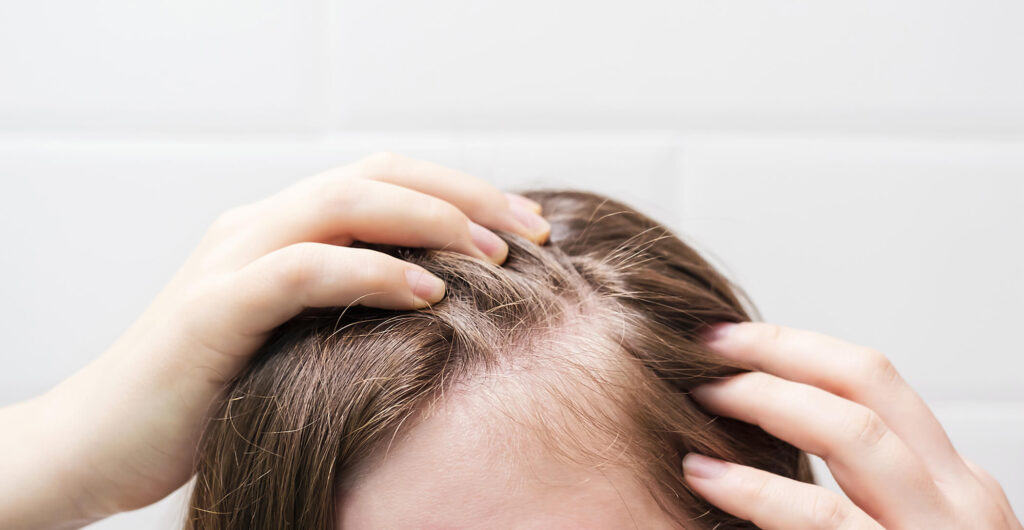
Hair loss is an extremely common condition that affects people of all ages and genders. While shedding a small amount of hair daily is normal, excessive or progressive hair loss can be distressing and may signal an underlying issue.
Understanding why hair loss occurs, identifying the specific type you’re experiencing, and knowing your treatment options are essential steps toward protecting and potentially restoring hair growth.
This article explores the most common causes of hair loss, the major types of alopecia, and evidence-based treatment strategies.
How Hair Growth Works
The Hair Growth Cycle
Hair growth follows a continuous cycle consisting of three main phases:
- Anagen (growth phase): Lasts 2–7 years; hair actively grows
- Catagen (transition phase): Lasts a few weeks; hair detaches from the blood supply
- Telogen (resting phase): Lasts about 3 months; hair eventually sheds
At any given time, approximately 85–90% of scalp hairs are in the anagen phase. Disruption to this cycle can result in excessive shedding or thinning.
Normal vs. Abnormal Hair Shedding
Losing 50–100 hairs per day is considered normal. Hair loss becomes abnormal when:
- Shedding increases suddenly or dramatically
- Hair density visibly decreases
- Hair does not regrow after shedding
- Scalp becomes visible in areas where it wasn’t before
Common Causes of Hair Loss
Genetic Factors
Genetics play the largest role in androgenetic alopecia, commonly known as male- or female-pattern hair loss.
- Influenced by sensitivity to dihydrotestosterone (DHT)
- Progressive and chronic if untreated
- Can begin as early as the late teens or twenties
Hormonal Changes
Hormonal fluctuations can significantly impact hair growth:
- Pregnancy and postpartum changes
- Menopause
- Thyroid disorders
- Polycystic ovary syndrome (PCOS)
- Testosterone or estrogen imbalance
Stress and Illness
Physical or emotional stress can push large numbers of hairs into the telogen phase, leading to a condition known as telogen effluvium.
- Major surgery
- Severe illness or infection
- Rapid weight loss
- Emotional trauma
Hair typically regrows once the underlying stressor is resolved.
Nutritional Deficiencies
Hair follicles are metabolically active and require adequate nutrition. Deficiencies linked to hair loss include:
- Iron and low ferritin
- Protein deficiency
- Vitamin D deficiency
- Zinc deficiency
- B-vitamin deficiencies
Medications and Medical Treatments
Hair loss can be a side effect of:
- Chemotherapy and radiation
- Antidepressants
- Blood pressure medications
- Hormonal contraceptives
- Retinoids
Types of Hair Loss (Alopecia)
Androgenetic Alopecia
The most common type of hair loss:
- Gradual thinning on the crown or hairline in men
- Diffuse thinning along the part in women
- Progressive without treatment
Telogen Effluvium
- Sudden, diffuse shedding
- Triggered by stress, illness, or hormonal changes
- Often temporary and reversible
Alopecia Areata
- Autoimmune condition
- Patchy hair loss on scalp or body
- May resolve spontaneously or recur
Traction Alopecia
- Caused by prolonged tension on hair
- Tight hairstyles, extensions, braids
- Reversible if caught early
Scarring Alopecia
- Permanent follicle damage
- Associated with inflammation and autoimmune disorders
- Requires early diagnosis
Diagnosing Hair Loss
Medical History and Examination
A healthcare provider may assess:
- Pattern and duration of hair loss
- Family history
- Recent stressors or illnesses
- Diet and medications
Diagnostic Tests
- Blood tests (iron, thyroid, hormones)
- Scalp examination or dermoscopy
- Scalp biopsy in complex cases
Treatment Options for Hair Loss
Topical Treatments
- Minoxidil (FDA-approved)
- Ketoconazole shampoo
Oral Medications
- Finasteride or dutasteride (for appropriate candidates)
- Spironolactone (in women)
Procedural Treatments
- Platelet-rich plasma (PRP)
- Low-level laser therapy
- Hair transplantation
Lifestyle and Supportive Care
- Stress reduction
- Balanced nutrition
- Gentle hair care practices
- Avoiding tight hairstyles and harsh treatments
When to Seek Professional Help
- Sudden or rapid hair loss
- Hair loss with itching, pain, or redness
- Patchy or scarring hair loss
- Hair loss affecting mental health
Conclusion
Hair loss is a multifactorial condition with many potential causes and treatment options. Early identification and targeted treatment greatly improve outcomes.
By understanding your hair loss type and working with a qualified healthcare provider, you can take proactive steps toward preserving hair health and confidence.
Disclaimer: This article is for informational purposes only and does not constitute medical advice. Always consult a dermatologist or healthcare provider for diagnosis and treatment.